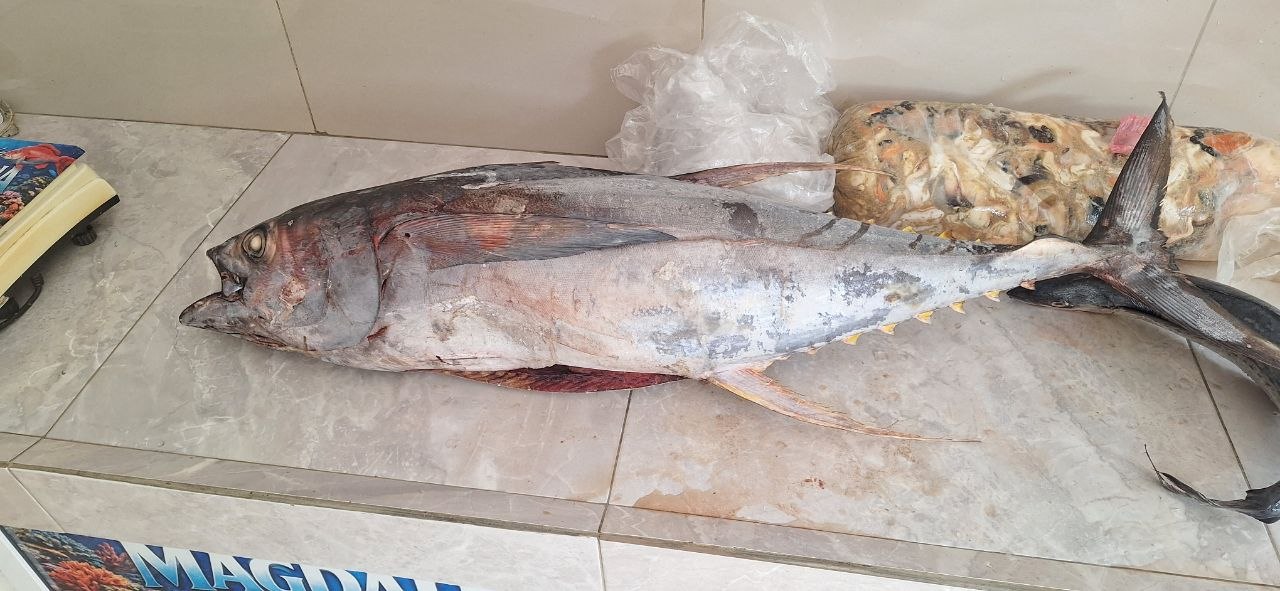
At CasaMia RD, the kitchen has always been a meeting point: Ircia and Alessandro bring two different stories to the table, one Italian and one Dominican, and the two often blend into new dishes born almost as a game in the kitchen. This recipe is one of them: a classic fresh tuna pasta from the Mediterranean tradition, reinterpreted with the criollo sofrito, lime and cilantro that define the cuisine of the Dominican Republic's north coast.
A meeting of two cuisines
Fresh tuna pasta belongs to the Italian culinary tradition, where the fish is cooked briefly to keep it tender and juicy. In this version, the classic dressing of cherry tomatoes, garlic and capers gives way to a base of typically Dominican flavor: criollo sofrito. So this isn't a traditional Dominican Republic recipe — pasta isn't a historically rooted dish here, unlike rice, mangú or sancocho — but a fusion creation born in CasaMia RD's kitchen, designed for guests staying in Río San Juan who want to find on their plate the same flavors they encounter walking around town.
Criollo sofrito, the dish's Dominican soul
Sofrito (also called sazón) is the aromatic base of countless Dominican dishes, from rice to habichuelas guisadas to marinated meat and fish. The traditional version is made with ají cubanela (a sweet, non-spicy pepper), garlic, onion, plenty of cilantro, a pinch of bija (achiote) for color, and oregano, all bound together with a drizzle of olive oil. It's this base — sweeter and more aromatic than classic Italian soffritto, never spicy like the hottest Caribbean chilies — that gives body and color to this pasta's sauce.
Ingredients (serves 4)
- 350 g (12 oz) spaghetti or linguine
- 400 g (14 oz) fresh tuna, cubed
- 300 g (10 oz) cherry tomatoes
- 1 ají cubanela (or half a sweet yellow/green pepper if unavailable)
- 2 garlic cloves
- ½ white onion
- a generous handful of fresh cilantro, chopped
- 1 local hot chili pepper, optional, for those who like it spicier
- juice of 2 limes
- 1 teaspoon grated lime zest
- a pinch of dried oregano
- extra virgin olive oil, to taste
- salt and pepper, to taste
Method
Bring water to a boil for the pasta, salting it well. Meanwhile, cube the tuna, pat it dry and let it marinate for 10-15 minutes in a bowl with the juice of one lime, a drizzle of oil, salt, pepper and the oregano.
Make the sofrito: finely chop the ají cubanela, garlic, onion and half the cilantro, and let them soften in a pan with a drizzle of oil over low heat for a few minutes, until soft and fragrant, without letting them brown too much. Add the halved cherry tomatoes and the chili if using, raise the heat slightly and cook another 5 minutes, until the tomatoes start to break down.
Drain the tuna from the marinade (set it aside) and sauté it in the pan for 2-3 minutes: just long enough to sear the outside while keeping it pink and tender inside — don't let it dry out. Pour in the remaining marinade and let it flavor the sauce for a minute.
Drain the spaghetti al dente, toss it into the sauce with a ladle of pasta water and mix quickly over high heat. Turn off the heat and finish with the juice of the second lime, the grated zest and the rest of the fresh cilantro.
Serve right away, perhaps with a few avocado slices on the side.
The Caribbean touch: why lime and cilantro
In Dominican cooking, lime accompanies countless fish and seafood dishes, often used to marinate or to add freshness at the end of cooking, while cilantro (along with culantro, the broader-leafed variety) is the herb most present in everyday sofrito. Together with the criollo sofrito, these two ingredients are what shift the dish from a Mediterranean register to a Caribbean one, without betraying the structure of a classic Italian tuna pasta.
Good to know
- Fresh tuna: very brief cooking, 2-3 minutes, to keep it pink and tender — don't overcook it.
- Criollo sofrito: ají cubanela, garlic, onion, cilantro, bija and oregano — the aromatic base of Dominican cuisine.
- Pairing: a well-chilled Presidente or a tropical fruit juice.
In Río San Juan restaurants, a dish like this is often paired with a well-chilled Presidente or a tropical fruit juice, to balance the lime's citrus note. And that's exactly the spirit in which we serve it at CasaMia RD too: a dish that tells, in one forkful, the meeting of two homes and two cuisines.
Frequently asked questions
Is this a traditional Dominican Republic recipe?
No: pasta isn't part of traditional Dominican cuisine. This is a fusion recipe created in CasaMia RD's kitchen, combining an Italian dish (fresh tuna pasta) with ingredients and techniques typical of Dominican cooking, like criollo sofrito.
What is the criollo sofrito used in this recipe?
It's the aromatic base of much of Dominican cuisine, made with ají cubanela (a sweet pepper), garlic, onion, cilantro, a pinch of bija (achiote) and oregano — usually used to season rice, beans, meat and fish dishes.
Can I make this pasta with canned tuna?
Yes, but the result changes: fresh tuna stays pink and tender with just 2-3 minutes of cooking, while canned tuna should be added only at the end, off the heat, so it doesn't dry out further.
What goes well with this dish?
A well-chilled Presidente beer or a tropical fruit juice, which balance the lime's citrus notes — the most common pairing in north-coast Dominican restaurants for marinated fish dishes.
Want to taste the flavors of CasaMia RD?
Tell us your kitchen preferences: during your stay we're happy to cook recipes like this one, blending Italian tradition with local ingredients.
Message us on WhatsApp